
Churches are more than places of worship—they are cultural landmarks, architectural treasures, and community gathering spaces. Yet, time, weather, and daily use inevitably take their toll on these sacred buildings. That’s where church renovations come in, breathing new life into sanctuaries while preserving their history.
Table of Contents
Key Takeaways
✔ A church renovation before and after shows how faded interiors, worn seating, and dull windows can be transformed into vibrant, welcoming spaces that uplift worship.
✔ Working with skilled church restoration companies ensures that every project balances preservation of historic details with modern updates for safety, comfort, and function.
✔ A broken stained glass window can compromise safety, weaken the structure, and diminish the atmosphere of the sanctuary if not repaired quickly.
✔ Professional stained glass window repair restores the strength, color, and brilliance of panels.
✔ Adding church chairs with kneelers gives congregations flexibility for events while offering ergonomic comfort.
✔ Repurposed church pews extend the life of traditional seating by turning them into refinished benches, shortened rows, or furniture.
Why Church Renovation Matters
Preserving Heritage and History
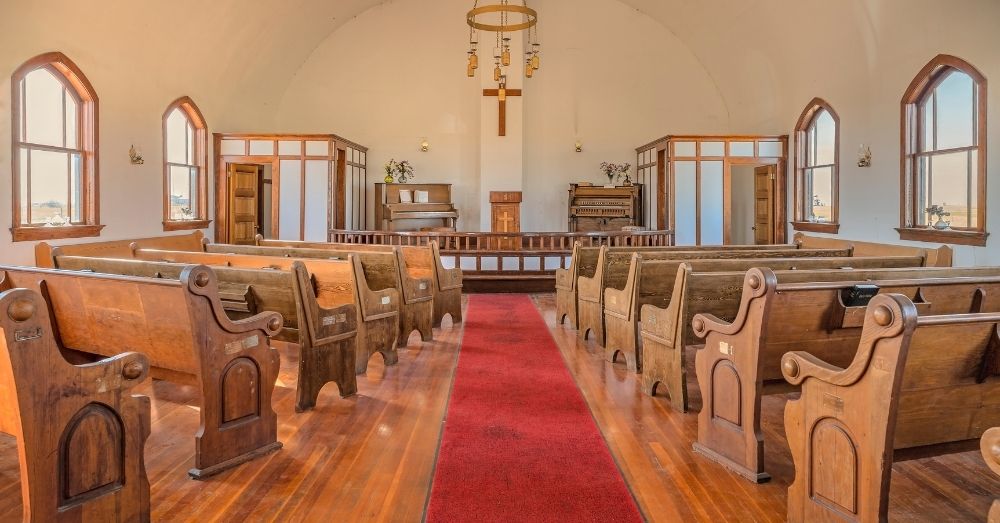
Many churches date back centuries, carrying not just architectural significance but also the stories of generations. From hand-carved wooden beams to vibrant stained glass artistry, these details embody faith, history, and artistry all in one. Without consistent upkeep, however, fragile details deteriorate and risk being lost forever.
- Renovation allows historic architecture to remain intact while addressing structural weaknesses.
- Elements like stained glass, carvings, and stonework can be preserved through careful cleaning, reinforcement, and restoration.
- Congregations benefit from walking into a space that honors the past while still feeling alive in the present.
When viewed through a “church renovation before and after” lens, the results highlight just how much detail and craftsmanship are saved from disappearing. These projects don’t just repair; they safeguard legacies.
Strengthening Community Value
A church isn’t simply a structure—it’s the heart of community gatherings. Weddings, baptisms, holidays, and weekly worship services all happen under its roof. When the building is updated and inviting, the entire congregation feels more connected.
- Renovations enhance comfort for families and visitors.
- Improved aesthetics make the church feel cared for, encouraging more people to attend services and events.
- Functional updates, such as modern seating or lighting, create a more inclusive atmosphere.
Addressing Safety and Functionality
Historic buildings often come with risks that cannot be ignored. From structural issues to small but dangerous details, a neglected sanctuary can pose hazards. By addressing these concerns, churches protect worshippers while extending the building’s lifespan.
- Cracked flooring or loose stair rails can cause accidents.
- Worn-out seating may no longer be stable.
- A broken stained glass window can lead to sharp fragments or falling panels if not repaired.
Transformational Impact
Of all the reasons for restoration, the most visible is the transformation itself. Looking into a church renovation before and after results show that the journey is not just about looks—it’s about reviving spirit, faith, and beauty all at once.
- Faded colors in windows glow brightly again.
- Repurposed church pews bring new life to traditional furniture.
- Fresh interiors change the way people experience worship.
5 Common Challenges in Historic Church Restoration
1. Damage from Age and Weather
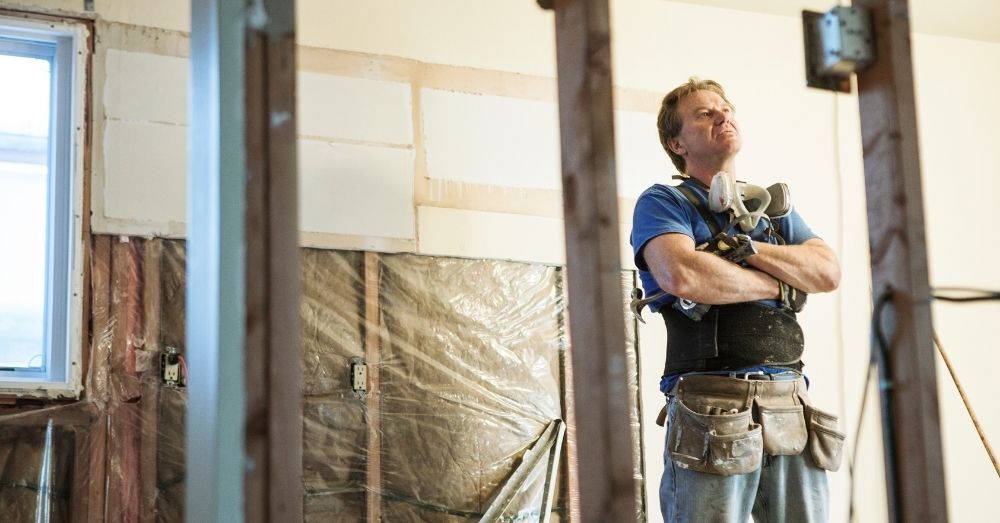
Churches stand for generations, which means they endure countless storms, seasonal shifts, and wear. Preservation requires delicate craftsmanship to stabilize the structure without erasing the original design.
- Moisture can cause plaster walls to crumble, and it often leads to mold growth within insulated wall systems, further weakening the structure.
- Shifting foundations may weaken structural integrity, leading to cracks in walls, uneven floors, and long-term stability concerns.
- Wooden beams and flooring often show signs of rot or insect damage, which, if left untreated, can compromise the safety of the entire structure.
2. Fragility of Stained Glass
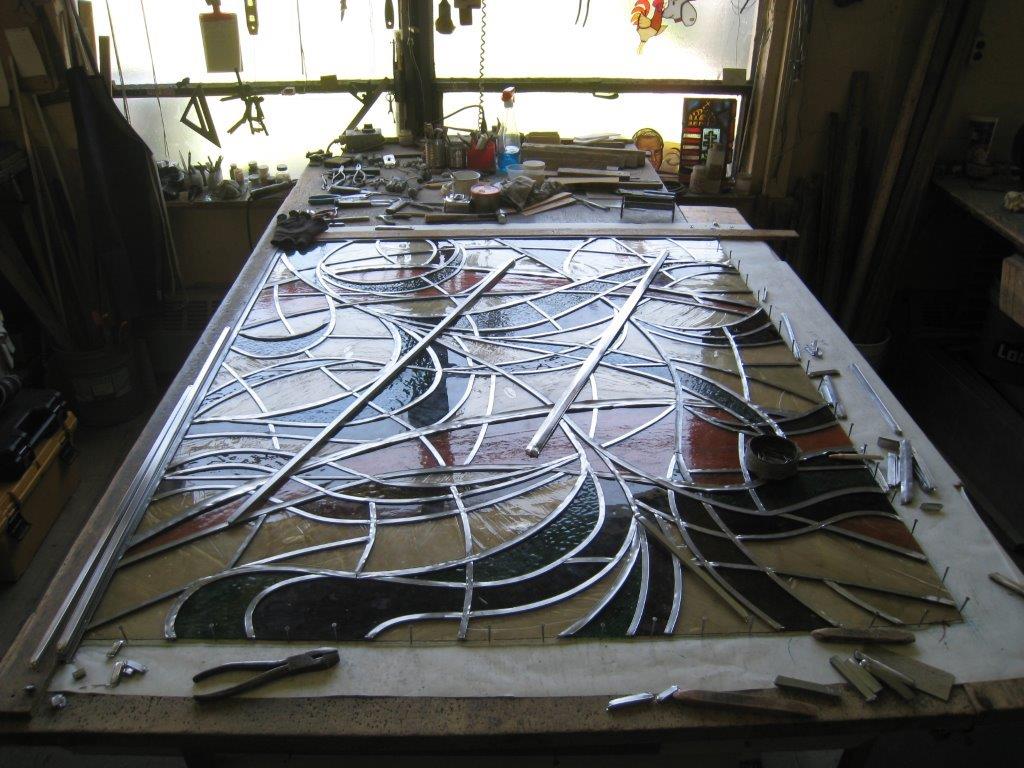
It is common to see a broken stained glass window in older sanctuaries. To repair these, specialists perform careful stained glass window repair. This process restores color and strength without replacing the artistry,
- Cracks form from stress and settling over time.
- Exposure to sunlight and weather weakens the glass and lead joints.
- Sagging occurs as panels lose their shape.
3. Seating That No Longer Fits Needs
Pews have always symbolized unity, but today’s congregations often need more flexibility. This balance of tradition and modern convenience ensures that worshippers have both heritage and comfort.
- Some pews are restored into repurposed church pews for modern use.
- Other churches opt to introduce church chairs with kneelers, offering comfort and adaptability.
- Shortened or refinished pews allow multipurpose use of sanctuaries.
4. Balancing Preservation and Modernization
Church leaders face a delicate challenge: respecting sacred history while meeting the needs of modern congregations. Working with experts ensures these updates blend seamlessly with traditional aesthetics.
- Adding technology for audio systems and screens requires discretion.
- Upgrading heating and cooling systems must not disrupt historic integrity.
- Accessibility upgrades, such as ramps and wider aisles, are vital for inclusivity.
5. Budget and Timeline Pressures
Unlike a standard renovation, church projects demand specialized expertise, which can impact both cost and schedule.
- Limited funds often mean projects are phased over time.
- Safety repairs, such as addressing a broken stained glass window or repairing damaged flooring, usually take priority.
- Aesthetic upgrades, like refinished pews or stained glass window repair, follow once essentials are addressed.
How Church Restoration Companies Help
Specialized Expertise
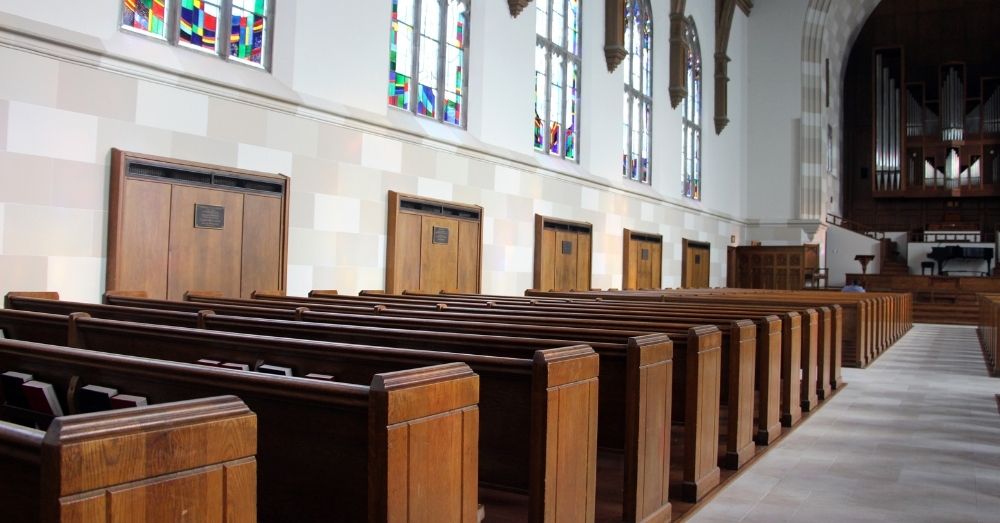
General contractors may understand construction, but church restoration companies bring unmatched knowledge of sacred architecture.
- They are trained in Gothic arches, vaulted ceilings, and historic masonry, which is strong under static loads but vulnerable to moisture and harsh conditions.
- They know how to handle delicate details, such as ornate carvings or fragile windows.
- Their work focuses on both preservation and modernization.
Artisans and Craftspeople at Work
Restoration requires more than tools—it demands artistry. This collaboration results in seamless repairs that respect original craftsmanship.
- Stained glass artisans carefully reassemble windows.
- Woodworkers transform pews into renewed or repurposed church pews.
- Masons repair historic stone walls and facades.
Detailed Project Planning
Church renovations follow a structured process to ensure efficiency and care. Planning ahead is key to creating transformations that last.
- Initial assessments identify structural and artistic needs.
- Budgets are outlined, with phases planned if necessary.
- Timeframes are established to minimize disruption to services.
Collaboration with Congregations
No restoration is complete without input from those who use the space daily. This ensures that the final result reflects both tradition and modern functionality.
- Church restoration companies meet with committees and pastors.
- Congregational input shapes decisions about seating, design, and finishes.
- Updates like lighting or church chairs with kneelers are often chosen collaboratively.
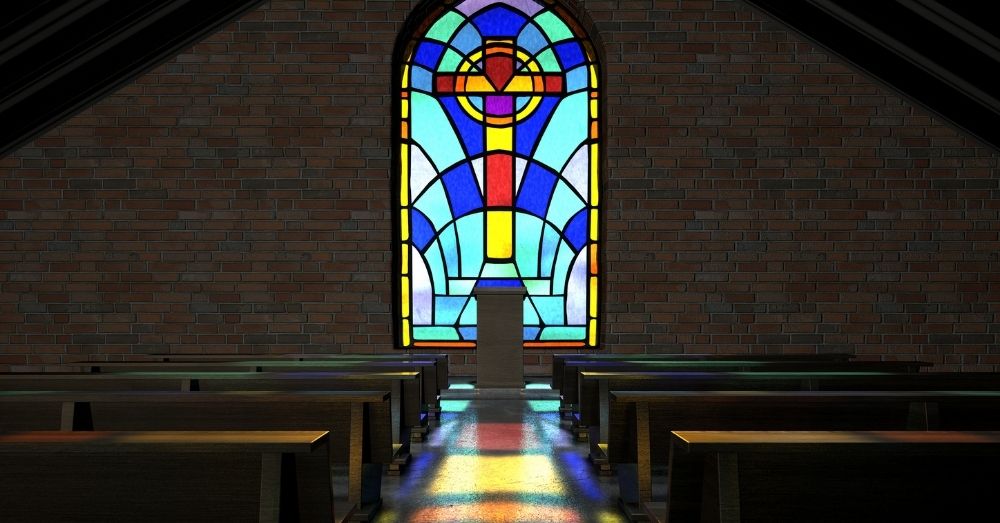
How Stained Glass Window Repair Works
Stained glass windows are among the most defining features of any church interior. They function as storytelling mediums that bring biblical scenes and symbols to life. When sunlight streams through, the colors transform ordinary walls into glowing works of art. These windows inspire awe, elevate the worship experience, and remind congregations of their spiritual heritage.
But even the strongest glass cannot escape time. That is why stained glass window repair is one of the most important services offered by specialists in sacred architecture.
Recognizing Damage
Not all issues with stained glass are obvious at first glance. While a broken stained glass window with a clear crack is easy to spot, many forms of deterioration are more subtle. Common warning signs include:
- Sagging panels – caused by weakened joints and age.
- Faded colors – years of sun exposure dull once-vibrant glass.
- Failing lead cames – softening or breaking of the metal framework.
- Drafts or leaks – air or moisture seeping in around window edges.
Church leaders often rely on church restoration companies to conduct professional evaluations. These experts know how to identify both surface-level and structural damage, ensuring that stained glass artistry is preserved before it worsens.
Steps in Stained Glass Window Repair
The process of restoring stained glass is highly specialized, requiring both artistic skill and engineering precision.
1. Careful Removal
The first step in stained glass window repair involves delicately removing the damaged panels from the frame. Each section is carefully labeled and documented to ensure accuracy during reassembly.
2. Cleaning and Salvaging
Once removed, the glass is gently cleaned to strip away decades of dirt and grime. Whenever possible, the original pieces are salvaged rather than replaced, allowing the window to retain its historic authenticity.
3. Releading and Reinforcement
The next phase involves replacing deteriorated lead cames with new ones, providing both stability and durability. Fragile or weakened sections are reinforced to prevent sagging in the future.
4. Reinstallation
Finally, the repaired panels are reinstalled into their frames with precision. In many cases, protective glazing is added to shield the restored glass from harsh weather and damaging UV rays. This final step ensures that the repaired window will remain vibrant, durable, and inspiring for decades to come.
Maintenance for the Future
Once stained glass window repair is complete, the work of preservation continues. Regular upkeep ensures that the artistry remains strong for generations. Practical maintenance steps include:
- Annual inspections by professionals to spot early signs of damage.
- Protective glazing to reduce weather impact.
- Routine cleaning to prevent dirt and grime buildup.
- Budget planning for long-term restoration needs.
By investing in maintenance, churches avoid repeated repairs and preserve their windows for centuries. With the help of church restoration companies, these treasured works of art continue to inspire awe and illuminate sacred spaces.
How Repurposing and Modernizing of Church Pews Work
Fixed rows of solid wood benches aligned worshippers side by side, reinforcing the sense of community within the sanctuary. Yet even the sturdiest pews show their age over time. Wood begins to splinter, finishes fade, and cushions lose their comfort.
Today’s congregations often look for spaces that combine tradition with functionality. This is where repurposed church pews come in—preserving the craftsmanship of the past while adapting them to modern worship styles and community needs.
Recognizing When Pews Need Attention
Just like stained glass, pews often show signs of wear long before they become unusable. While a visibly broken bench is an obvious concern, many forms of deterioration are more subtle. Knowing what to look for helps churches decide whether refinishing, repurposing, or replacement is the best path forward.
Common warning signs include:
- Splintering or Cracked Wood – Years of use can cause wood to split, making seating unsafe or uncomfortable.
- Loose Joints or Wobbling – Structural instability means pews no longer provide proper support.
- Faded or Torn Upholstery – Worn fabric reduces both comfort and aesthetics.
- Sagging Seats – Continuous pressure over decades can weaken the seat boards.
- Uneven Rows or Poor Alignment – Shifting floors or damaged bases may cause pews to lean or sit unevenly.
Church leaders often partner with church restoration companies to evaluate the condition of seating. These experts can determine whether pews should be refinished, converted into repurposed church pews, or replaced with church chairs with kneelers.
Creative Repurposing Options
Repurposing pews is both sustainable and meaningful. Instead of discarding these historic fixtures, churches can transform them into pieces that continue to serve. Practical and creative approaches include:
Refinishing and Reupholstering
- Restores the original beauty of the wood while improving comfort.
- Extends the lifespan of existing pews without changing their structure.
- Provides a cost-effective option for churches working with limited budgets.
Shortening for Flexibility
- Long pews can be cut down to fit smaller or reconfigured spaces.
- Allows for versatile seating arrangements in multipurpose sanctuaries.
- Keeps the traditional aesthetic while accommodating modern layouts.
Furniture Transformation
- Repurposed church pews can be crafted into benches, entryway seating, or even dining tables for parish halls.
- Gives fresh life to old craftsmanship, keeping it relevant within both sacred and communal spaces.
- Can be auctioned to members as keepsakes, generating funds for ongoing renovations.
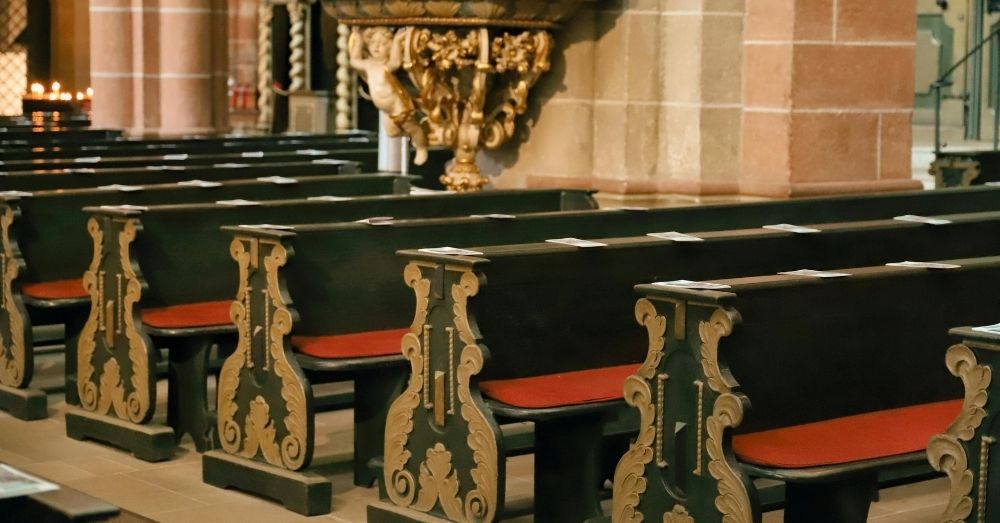
Steps in Restoring and Repurposing Church Pews
The process of restoring pews requires skill, patience, and an understanding of both history and modern needs. Each step plays a vital role in ensuring that repurposed church pews remain both functional and meaningful within the sanctuary.
1. Assessment and Documentation
The first step in pew restoration is a thorough evaluation. Each pew is inspected for structural integrity, surface damage, and signs of wear. Measurements and photographs are taken to document details, helping church leaders and craftsmen decide whether a pew should be refinished, repaired, or transformed into a new piece of furniture.
2. Repair and Reinforcement
Once the plan is set, carpenters repair cracks, fix splintered sections, and reinforce joints. Many pews wobble after decades of use, so strengthening the framework ensures they remain stable and safe.
3. Refinishing and Upholstery
After structural repairs, attention shifts to appearance and comfort. Old finishes are stripped away, allowing the natural wood to shine again under fresh stains or sealants. If the pews are cushioned, worn padding is replaced with high-quality foam and fabrics.
4. Adaptation or Repurposing
Not all pews return to the sanctuary in their original form. Some are shortened to suit modern layouts, while others are converted into benches, tables, or decorative seating for parish halls. This process of creating repurposed church pews keeps the craftsmanship relevant.
5. Reinstallation and Placement
Finally, restored pews are carefully reinstalled. Placement is done with attention to alignment, balance, and sightlines to improve both functionality and appearance. Protective pads may be added underneath to safeguard flooring. At this stage, pews not only look renewed but also fit seamlessly into the updated design of the sanctuary.
Maintenance for the Future
Restoring or repurposing pews is only the beginning. To keep them in excellent condition, churches must commit to ongoing care. Proper maintenance not only extends the life of seating but also preserves the investment made during renovation.
Wipe pews regularly with a soft cloth to remove dust and debris.
- Have professionals check for cracks, loose joints, or sagging once a year.
- Vacuum cushions and apply fabric protection as needed.
- Maintain consistent temperature and humidity to prevent warping.
- Use felt pads under pew bases and protect surfaces from UV damage.
By taking these simple steps, churches can ensure their repurposed church pews remain strong, safe, and beautiful for decades.
Frequently Asked Questions (FAQs)
How much does it cost to renovate a church?
The cost of renovating a church varies widely depending on the building’s size, age, and the scope of the project. Minor updates such as painting, refinishing pews, or repairing a broken stained glass window may cost a few thousand dollars, while full-scale renovations involving stained glass window repair, structural upgrades, accessibility improvements, and new seating can reach into the hundreds of thousands.
How long does it take to renovate a church?
The timeline for church renovation depends on the complexity of the project. Small updates, such as refinishing pews or installing church chairs with kneelers, may take a few weeks. Larger projects, such as complete stained glass restoration, roof replacement, or sanctuary redesign, can take several months to a year. Since many congregations continue using the space during renovations, work is often scheduled in phases to minimize disruption to services and events.
How to recycle church pews?
Recycling pews is both sustainable and meaningful. Many churches choose to create repurposed church pews by refinishing or cutting them into smaller benches, entryway seating, or tables for parish halls. Another option is to donate them to smaller congregations, community organizations, or charities that need affordable seating.
How much does it cost to reupholster church pews?
Reupholstering church pews typically costs between $16 and $26 per foot, depending on fabric choice, padding, and the level of repair needed. For a full set of pews, this can range from a few thousand dollars for a small chapel to tens of thousands for a large sanctuary. Many churches work with church restoration companies to choose durable fabrics that balance comfort, longevity, and aesthetics, making the investment worthwhile over time.
How long do church pews last?
Well-crafted wooden church pews can last for decades, and in many cases more than a century, if properly cared for. Regular cleaning, refinishing, and occasional repairs extend their lifespan significantly. Upholstered pews may need reupholstering every 15 to 25 years, depending on use and wear. With proper maintenance, church pews can remain both functional and beautiful, often serving multiple generations of worshippers.
Every Church Has a Story—Let’s Restore Yours
At Artech Church Interiors, Inc., we understand that churches are more than buildings—they are living testaments to faith and history. With over 45 years of experience and more than 4,000 restoration projects completed, our third-generation family business has become one of the most respected church restoration companies in New Jersey and beyond.
Contact Artech Church Interiors, Inc. today to discuss your project and see how our expertise can transform your church with care, craftsmanship, and respect for tradition.